Bluetti DE Review 2026: Pricing, Features and Verdict
Is Bluetti DE worth it in 2026?
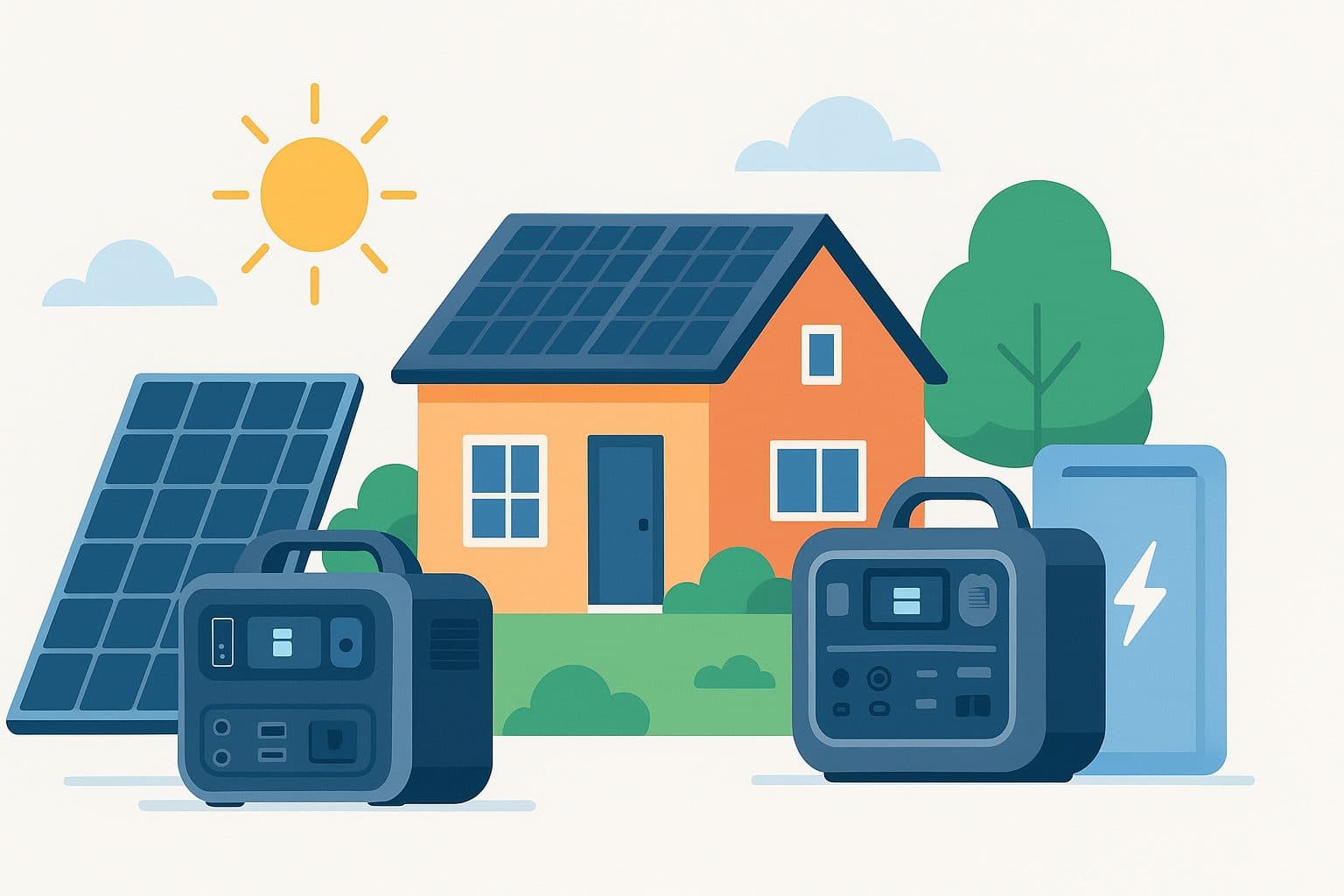
Bluetti DE is worth it for German and DACH-region shoppers who want portable or home-backup power built around LiFePO4 battery technology, with local-language support and EU plug standards handled directly rather than through a cross-border import. The brand's scalable approach — where a base power station's capacity can be expanded later with additional battery packs — is a genuine advantage for buyers who aren't sure yet how much capacity they'll eventually need.
At a glance
| Category | Electronics |
| Standout feature | LiFePO4 power stations with expandable battery capacity |
| Who it's for | German/DACH buyers wanting home backup, off-grid, van-life or camping power |
| Localization | German-language support, EU plug standards, local pricing |
| Returns/warranty | Coverage windows vary by product line — check Bluetti's German site for current terms |
What Bluetti DE actually is
Bluetti is a power-equipment brand best known for portable power stations built around LiFePO4 (lithium iron phosphate) battery packs. The lineup spans compact units suited to camping and small electronics up to large-capacity home backup systems designed to pair with rooftop or portable solar panels — a wide enough range that the same brand can serve someone who just wants backup power for a weekend trip and someone building out whole-home emergency backup.
Bluetti's German storefront exists specifically to serve the DACH market: German-language customer support, EU plug standards built into the hardware, and local pricing rather than a currency-converted US price. Alongside the power stations themselves, the storefront sells solar panels and expansion-battery accessories, which is the detail worth paying attention to — a station's total storage capacity isn't fixed at the point of purchase, since compatible expansion batteries let you scale up later as needs grow, rather than needing to buy a whole new, larger unit outright.
Value and positioning
LiFePO4 chemistry is generally regarded as a more durable, longer-cycle-life battery technology than the cheaper lithium-ion alternatives used in some budget power stations, and that underlying chemistry choice is the main reason Bluetti's units sit at a different price tier than the least expensive options on the market. The expandable-battery model adds real long-term value for buyers who'd rather start smaller and grow their system than commit to the largest capacity upfront. The trade-off is straightforward: buyers who only need a small, one-time-use power bank for occasional camping trips may find the LiFePO4 premium and expansion ecosystem more capability than they actually need.
Who it's for — and who should look elsewhere
Bluetti DE is the right fit for German and DACH-region households building genuine emergency preparedness — the kind of setup meant to keep essential appliances running during a grid outage — as well as van-lifers and off-grid cabin owners who need dependable, scalable power away from mains electricity. It also suits solar-curious buyers who want to start with a station and one panel and expand the system over successive purchases rather than sizing everything on day one.
Casual campers who only need to charge a phone and a headlamp for a weekend, or shoppers whose budget is fixed well below the entry point for LiFePO4 hardware, are likely better served by a smaller lithium-ion power bank from a budget brand. The expansion ecosystem and solar pairing are the main reasons to pay the LiFePO4 premium, so if neither is relevant to how you'll use the unit, that premium buys you less.
Setup and local support
Having German-language support and EU-standard plugs handled at the storefront level (rather than needing an adapter or translated manual from an import) removes a layer of friction that matters more than it sounds for anyone troubleshooting a power station during an actual outage, when clear instructions in your own language are worth more than in an ordinary shopping scenario.
Pros
- LiFePO4 battery chemistry, generally more durable over repeated charge cycles than cheaper alternatives
- Expansion batteries let you scale a system's capacity after the initial purchase
- German-language support and EU plug standards built for the local market
- Covers a wide range of use cases: emergency home backup, off-grid, van-life, camping
- Solar panel accessories available to pair directly with power stations
Cons
- LiFePO4 technology and expandable systems cost more upfront than basic power banks
- Warranty and return coverage varies by specific product line, so it takes some checking per item
- Buyers who only need occasional light-duty backup may not need the full ecosystem
- Solar and expansion accessories add further cost on top of the base power station
Check current Bluetti DE coupons and deals for bundle offers on power stations and solar accessories.
Frequently overlooked details
Worth confirming directly before buying: the specific warranty and return window for the exact model and capacity you're considering (Bluetti's own note is that coverage varies by product line, so the terms for an entry-level unit and a large home-backup system won't necessarily match), whether a solar panel or expansion battery you're eyeing is confirmed compatible with your specific power station model, and current delivery timelines for larger units, which can ship differently from smaller, lighter accessories. These are sensible checks for any power-equipment purchase of this size, not a flag against the brand specifically.
Verdict
For DACH-region buyers who want dependable, expandable home or portable power built on durable LiFePO4 technology, with local support and standards handled properly, Bluetti DE is a strong option. It's a bigger investment than a basic power bank, but the ability to grow capacity over time via expansion batteries makes that investment easier to justify for anyone planning ahead rather than solving only for today's needs.