Cariloha Review 2026: Bamboo Sheets, Comfort and Value
Is Cariloha worth it in 2026?
Cariloha is worth a look if you specifically want bedding and loungewear made from bamboo-derived viscose rather than traditional cotton, and if the brand's core promise — cooler, softer sleep — matters to you more than sticking with a familiar cotton-sheet brand. It's a lifestyle brand with a genuinely distinct raw-material story, not just another generic sheet retailer with a new marketing angle.
At a glance
| Category | Home & garden (bedding and home textiles) |
| Core material | Bamboo-derived viscose fabric |
| Product range | Bed sheets, towels, robes, loungewear, activewear |
| Standout feature | Marketed as cooler and softer than traditional cotton sheets |
| Best for | Shoppers wanting a more sustainable raw-material alternative to cotton bedding |
| Where sold | Direct online plus a network of retail stores, primarily in North America |
What Cariloha actually is
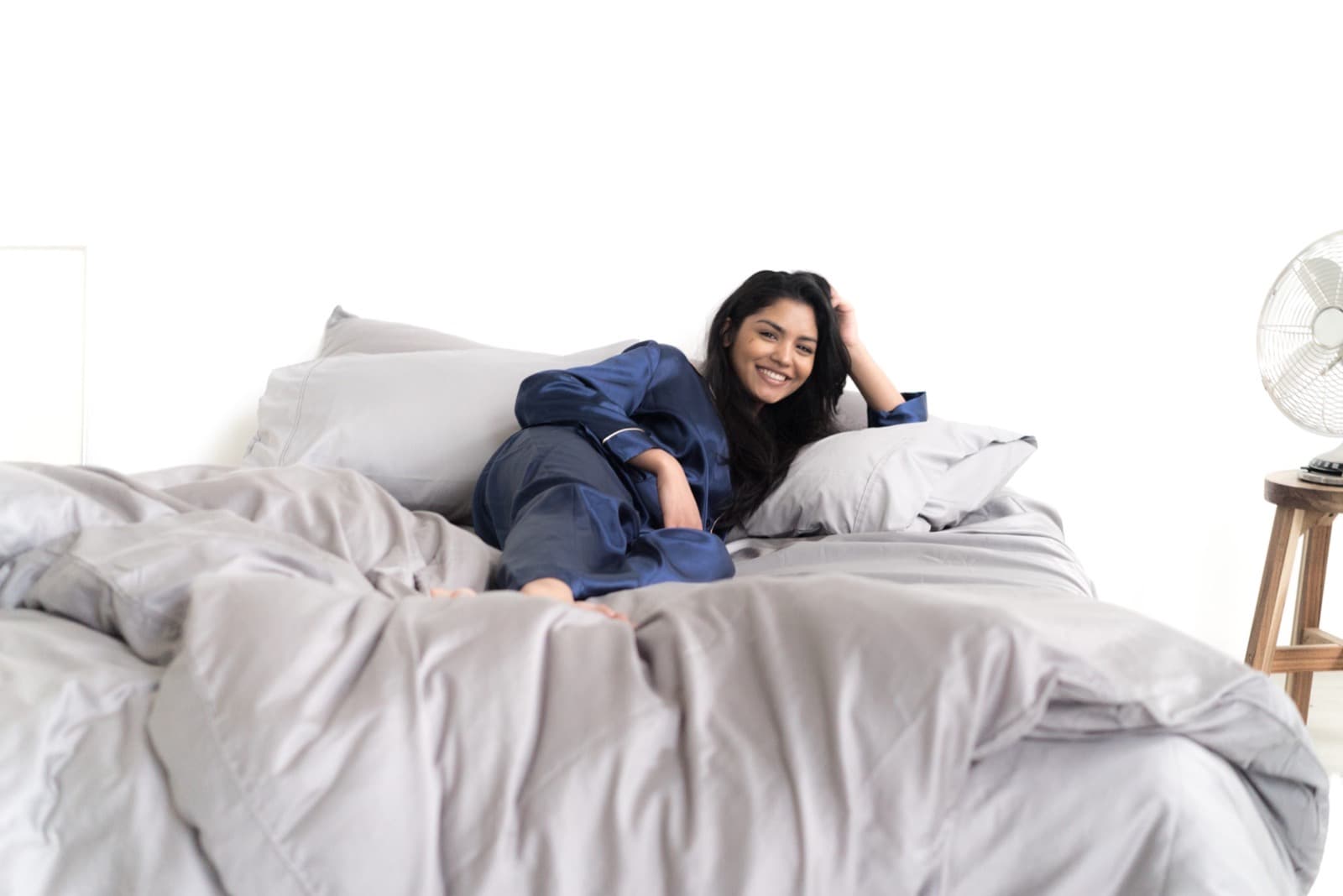
Cariloha is a lifestyle brand built around bamboo-derived viscose fabric, best known for its bamboo bed sheets, which it markets as cooler and softer than traditional cotton sheets. Beyond bedding, the company sells bamboo towels, robes, loungewear, and activewear made from the same fiber — so if you like the fabric feel in one product, there's a reasonable chance you'll want to explore the rest of the range too.
The brand's founding premise is that bamboo is a fast-growing, more sustainable raw material than cotton, which appeals to buyers who care about the environmental footprint of their home textiles in addition to comfort. Bamboo as a crop generally requires less water and fewer pesticides than cotton and regenerates quickly, which is a genuine sustainability argument rather than pure greenwashing — though as with any raw-material claim, the full picture also depends on how the viscose processing itself is done.
Cariloha sells direct-to-consumer online as well as through a network of retail stores, primarily in North America. That physical retail footprint is a meaningful advantage over purely online bedding brands — sheets and towels are tactile products, and being able to feel the fabric in a showroom before committing to a set is a real point of difference from mattress-in-a-box-style online-only competitors.
Pricing and value
No specific price points are listed in the retailer's own materials here, so instead of guessing at numbers, it's worth framing value around positioning: Cariloha sits as a specialty/lifestyle brand rather than a discount bedding retailer, and its price premium (typical of bamboo-viscose products generally) is the trade-off for the cooling, softness and sustainability story. If you're comparing against ordinary cotton percale or sateen sheets, expect to pay more for the bamboo-fiber alternative.
Pros
- Distinct, genuinely different raw material (bamboo viscose) rather than a repackaged cotton product
- Sustainability angle is grounded in a real agricultural argument (bamboo's water/pesticide profile and growth rate)
- Product range extends beyond sheets into towels, robes, loungewear and activewear using the same fabric
- Physical retail stores available in North America let you feel the fabric before buying
Cons
- Likely priced at a premium versus standard cotton bedding, which won't suit budget-focused shoppers
- Retail footprint is concentrated in North America, so international buyers are more reliant on online ordering and shipping
- Bamboo viscose is a processed fiber, and how "natural" it truly is depends on manufacturing specifics not detailed on the product pages
Worth checking before you buy: current Cariloha coupons and deals, since bedding and loungewear sets are a category where seasonal promotions can add up to real savings.
Living with bamboo bedding day to day
One detail worth knowing before switching from cotton is that bamboo viscose behaves a little differently in daily use. It's generally prized for a silkier, cooler hand-feel than cotton percale, which is where Cariloha's "cooler and softer" positioning comes from — the fiber has a different moisture-wicking profile than cotton, which is part of why it's often recommended for hot sleepers or warmer climates. On the care side, viscose fabrics typically need a gentler wash cycle and lower drying heat than cotton to preserve softness and drape over time, so factor a slightly more careful laundry routine into your decision if you're used to just tossing cotton sheets on a hot cycle.
The fact that Cariloha extends the same fiber into towels, robes, loungewear and activewear (not just sheets) suggests the company is confident enough in the material to stand behind it across very different use cases — a towel needs to be absorbent, a robe needs drape and comfort against skin, and activewear needs to manage moisture during movement, which are three quite different performance demands for the same base fiber to satisfy. That range gives you a low-risk way to try the fabric in a smaller, cheaper item (like a hand towel) before committing to a full bamboo sheet set for your bed.
The North American retail store network is also a genuine differentiator if you live near one — being able to feel bamboo viscose in person before buying is more valuable for bedding than for almost any other home category, since the appeal is fundamentally tactile.
Verdict
Cariloha delivers a genuinely distinct pitch in a bedding market crowded with near-identical cotton-sheet brands — bamboo viscose's cooling, softness and sustainability story is a real point of differentiation, backed up by a broader lifestyle range and a physical retail presence that lets you try before you buy. It's a strong choice for anyone prioritizing comfort and a more sustainable material over the lowest possible sheet price.